
Are you going away car camping for the weekend?
Taking a month long road trip?
Or are you moving into your vehicle for the next year?
I’ve done all of these things, in Canada, the USA and Australia, in many different vehicles. It is a fun way of life, and one that I had many trial and error moments throughout. Here are some stories from my adventures and my car camping essentials to make your trip smooth and comfortable!
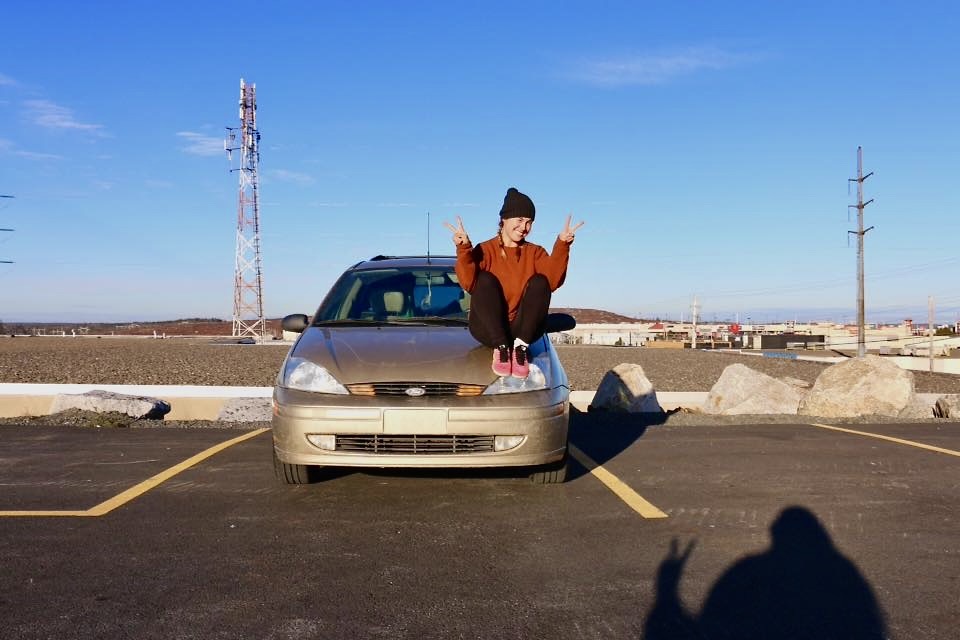
My car camping has evolved over the years. The first vehicle I slept in was a Ford Focus station-wagon named Daisy. And every time the wind blew a petal would fall off, figuratively and literally. I tipped a lot of money into that vehicle, and so did my partner at the time when we shared her. It was a fun time though, she took me on an epic road trip to see all 10 provinces in Canada (Canada has 10 provinces and 3 territories). Including a drive through the trans Labrador highway on the far east coast of Canada in the wintertime, brrrr! A lot of warm clothing and blankets, and oatmeal cooked in the front seat got me through the adventures touring around Canada with her. The memories are still sweet in my heart.
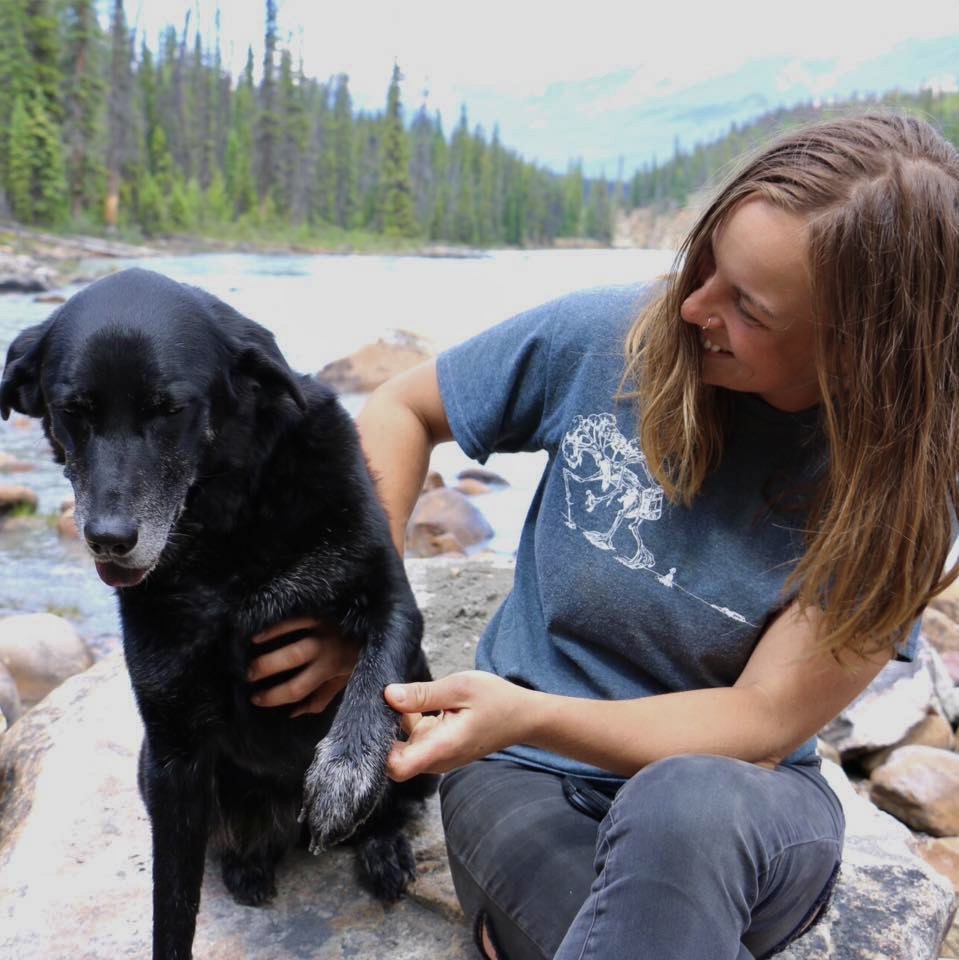
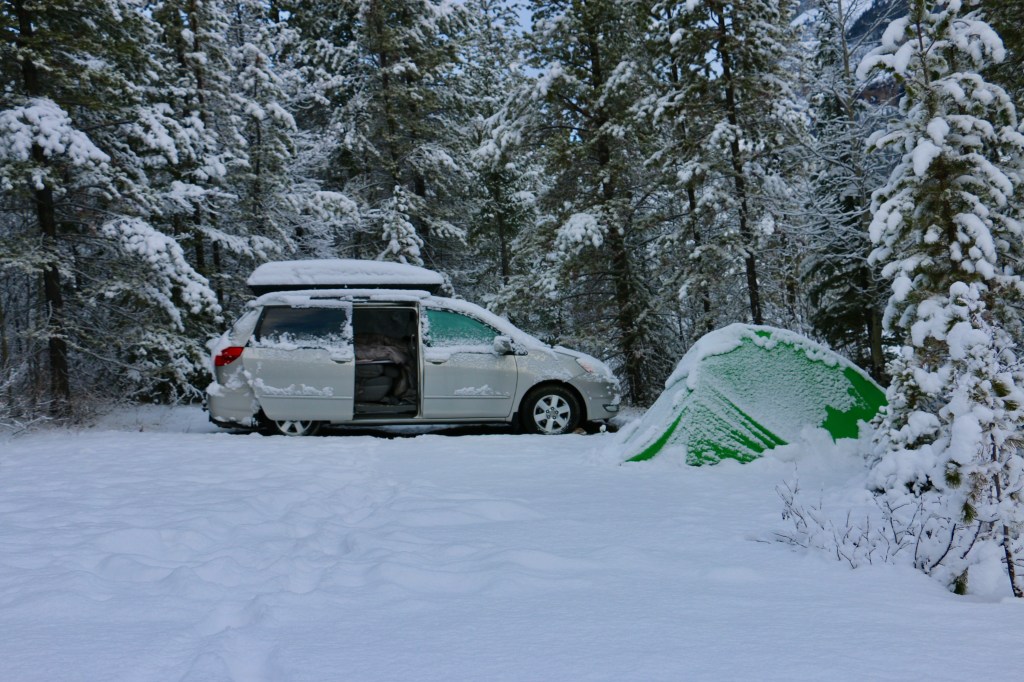
The upgrade from Daisy the station-wagon was to a Toyota Sienna mini van named Indie (short for indestructible), one of my favourite car camping rigs! The Sienna was cosy and reliable, I removed all of the rear seats and built a wooden bed frame in the back with my partner at the time, we lived and worked out of her tree planting. Indie also took us to see the redwoods in California. Tofino, Squamish, Haida Gwaii and the Okanagan in British Columbia. Banff and Jasper National Parks in Alberta. Ottawa, Toronto and Thunder Bay in Ontario. Montreal, Quebec City, and Gaspesie in Quebec. My partner then had a dog named Angie. She lived in the van with us and made the whole experience even more special. She loved the van just as much as we did.
I owned a second Toyota Sienna in Canada (they are that good and reliable) and also car camped out of this one on and off for a year. Mini vans are great for comfort and being incognito when sleeping in cities.
My next car camping experience was in my home country Australia!
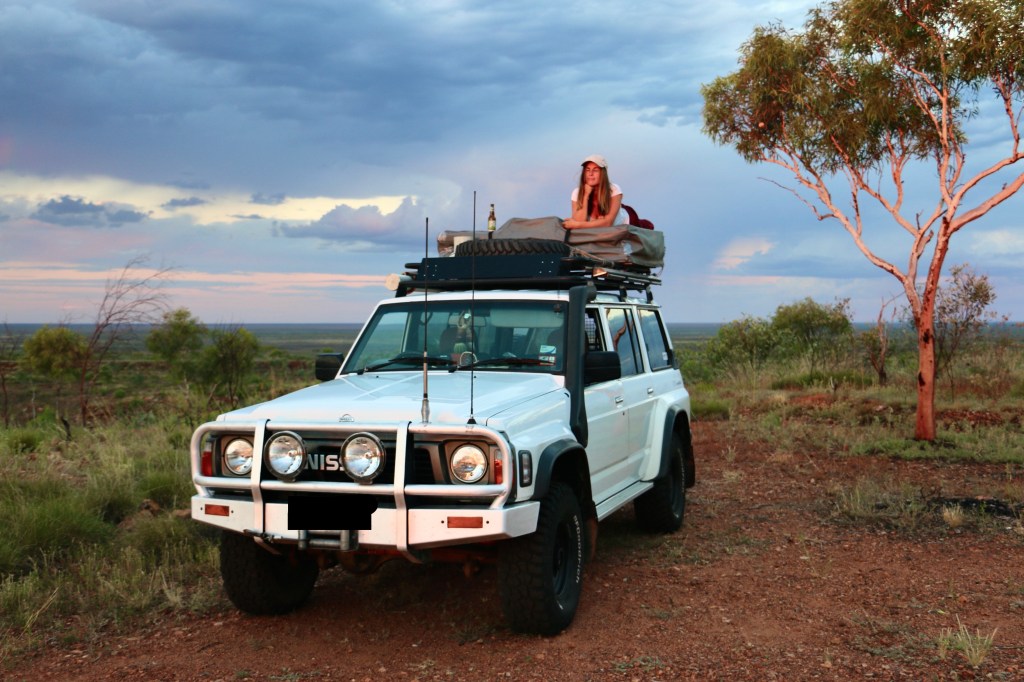
The all Aussie adventure rig was a Nissan Patrol named Pikwaden (Algonquin, a Canadian indigenous language, for “mountain”). Oh what a year that was! My partner at the time and I explored Australia, touring around Victoria, Tasmania, South Australia, Northern Territory and Western Australia. A real outback experience was had!
For those that don’t know, a Nissan Patrol is an Aussie 4X4 vehicle, very well known for it’s off-roading capabilities.
The set-up in this was really made for being out in the Aussie outback. We had solar panels, a second battery, rooftop tent, winch, 2 spare tyres, an Engel fridge (I highly recommend this brand, keep your beers cool in the desert!), propane 2 burner stove, 60L water storage, lots of tools and spare parts. Pikwaden took us on a fantastic adventure through the Kimberley in north western Western Australia.
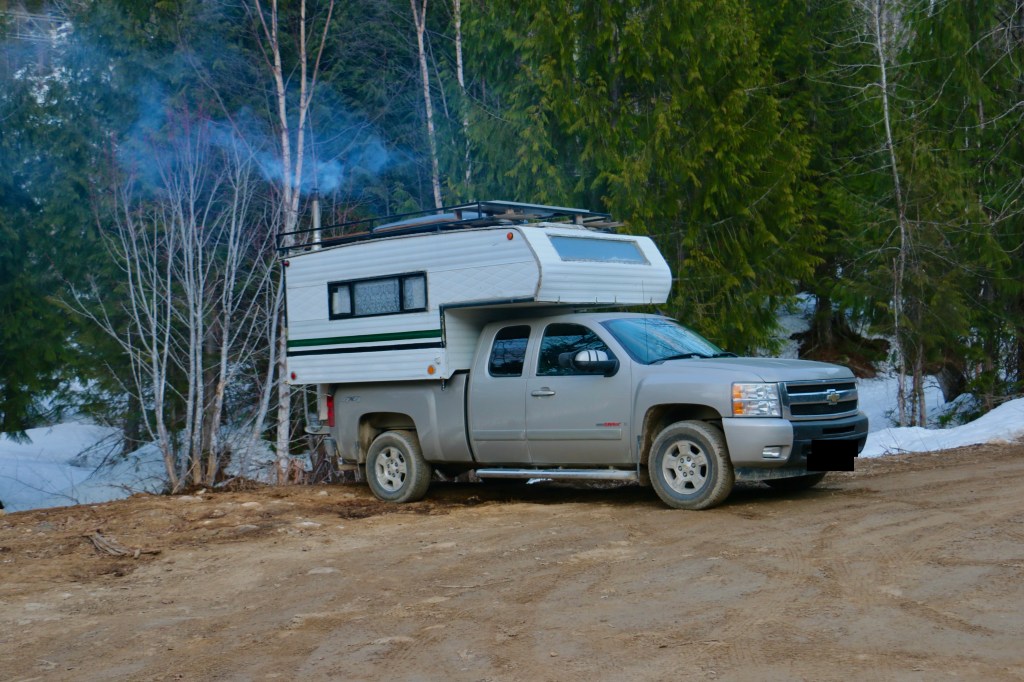
The most luxurious of my “car camping” experiences was the truck bed camper in Canada.
I lived in the camper (complete with wood-stove) for a total of one year. This was my “highest-end” car camping experience and the most functional. With a living space that I could stand up in, a wood-stove fireplace for warmth, a three burner gas stove, loads of storage for clothing, food and personal items, and even a rooftop I could do yoga on. It was my little box of a home on wheels and I loved it.
Ok, now you’ve read my many different car camping set ups, let’s get into what you need to make this a reality.
The essential items
If you are moving into your vehicle, it is essentially now your tiny home. So lets make it cosy.
- A functional vehicle
- Comfortable and warm bedding
- Water
- Food
- Warm clothing – warmer than you think, you are sleeping outside!
- Bathroom supplies (toilet paper!)
- A tent if you are not sleeping in the vehicle
- First aid kit
You also have the choice to bring optional heavier items you couldn’t normally bring if you were walking or hiking in to a campsite. Kayaks and paddle boards are great fun for lakeside car camping, folding chairs and table for comfort, and a cooler with ice for fresh food and delicious drinks.

Where can you go car camping?
This is really going to depend where you are in the world. I am going to talk about Canada, Australia and the USA as this is where I have car camping experience.
Car camping is typically defined as a campsite that you can drive up to. Giving you the option to pitch a tent or get cosy in the back of your rig.
If you are in Canada or the USA, you have some of the best national parks in the world to choose from. You are going to pay to stay in a lot of these, which is well worth it for the places you will wake up! If you are wanting free spots, check out the WikiCamps app for a fantastic resource full of user reviews and suggestions, road conditions, and free and paid sites. It is a one time payment app, I have the Aussie, Canadian and US version. All have taken me to some truly fantastic camping destinations.
The further off the beaten path you go, the more likely camping is going to be free and less crowded.
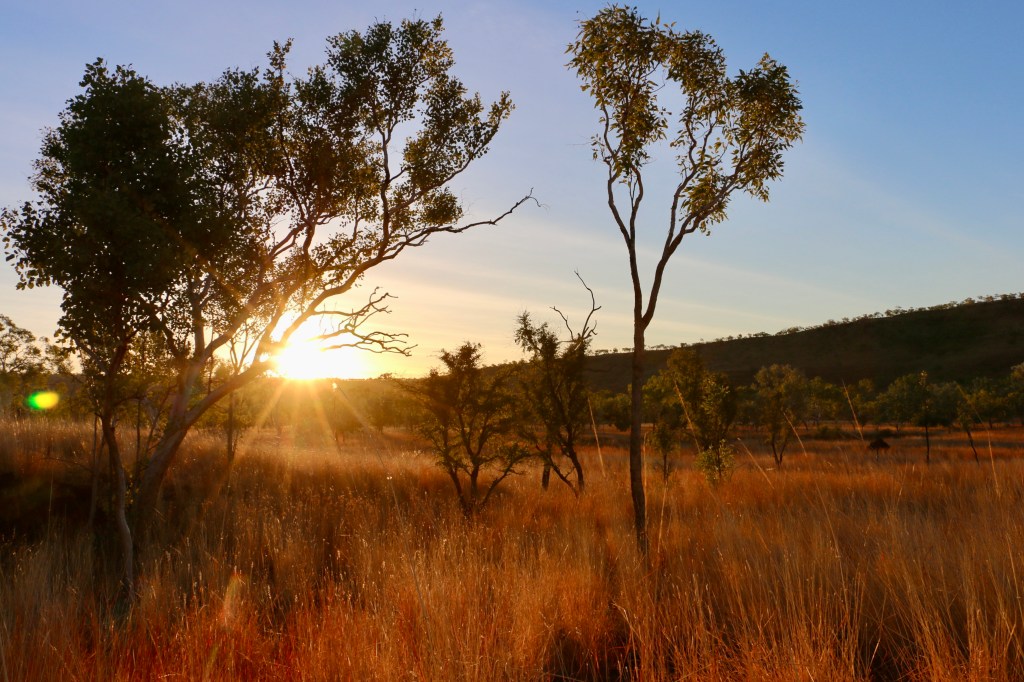
In Australia, the car camping scene is some of the best in the world. With thousands of kms of roads to be explored, it is a 4X4’s paradise. Australia has some of the best free facilities for the car camper. BBQs in parks are often free (sometimes coin operated), water refill stations are everywhere, and campsites are often free. Known as one of the hotter places on earth, you can camp year round comfortably across the beautiful country that is Australia. From lush rainforests, desert landscapes and sandy beaches, you will not be disappointed by the options.
Check out some of the sites in your local region. Read up on reviews, and see what ammenities are offered. Some people like a more resort style experience with flushing toilets and swimming pool, while others prefer camping in the woods far from civilisation. Do a little research and go somewhere close by, you never know what you’ll love until you try it!
The car camping kitchen
If you are just heading out for the weekend, you could get away without a stove and just eat sandwiches and packaged food… However, if you love yourself and are going for a lengthier amount of time, I highly recommend investing into the kitchen a little. A knife and chopping board with a couple of bowls will get you started. And at least some form of stove to boil water and enjoy that delicious hot drink in the morning as you enjoy your new, simpler way of life.
You can cook over a campfire too, be sure to check if fires are permitted in your camping area. Always make sure you put your fire out before bed and before leaving camp!
Water. Bring lots of water. I recommend 40-60L for 2 people for a four day trip. Know when and where you can refill, and have a water treatment or filter system.
A benefit of the car being with you is that you can bring groceries and save the dehydrated food for your treks. Campfire burgers with all the fixings? Cold beverage in hand? Yes, please!
I recommend bringing more food than you need, this can be in the form of canned and dried foods. It’s always good to have extras in the case of an unexpected delay or break down. Or a food accident..

The car camping bed
You have a few options here, if you have a van or a vehicle with seats that fold down (or a camper or trailer) you can sleep inside! This is going to allow you to have a super cosy set up you can make from the comforts of home. With a nice foam mattress, some soft sheets, and layers of blankets, you’re going to be toasty warm on your car camping adventure.
Alternatively, if you have a smaller vehicle or one where the seats won’t fold quite flat, you can sleep in a tent! And still have all of the comforts of your car being parked right next to you. A rooftop tent is a great addition to a 4X4 camping set-up. If you have a ground tent you can bring something a little heavier that you can stand up in if the weather is miserable outside.
Safety
I recommend having good knowledge of your reliable vehicle, or at bare minimum knowing how to change a tyre. Carry plenty of water with you, I recommend 40-60L for two people. Have a first aid kit. A personal locator beacon (PLB) and subscription is also handy. This is a small handheld device that works with satellites to send an SOS in an emergency. I have a Garmin InReach Mini. Its battery life is fantastic and you can also send text messages, depending on your subscribed plan.
Tell someone where you are going! Being with a vehicle may give a feeling of security, however even if it is for one night and you are in a group, anything can happen (hopefully only good things)! Many rural camping destinations are without phone service, and if something goes wrong it is always best to have someone know where you are and when you expect to return.
Summary
Car camping is one of my absolute favourite things, some of my best memories come from my car camping experiences. Load up the rig and get out there and explore!
I’d love to hear about your car camping stories in the comments, and if you liked this guide, share with your friends! You can also check out my essentials to have while trekking for an even more off the beaten path camping experience.
 Georgie’s Wanderlust
Leave a comment